Topics
International Conference on Thought, Perception & Reality
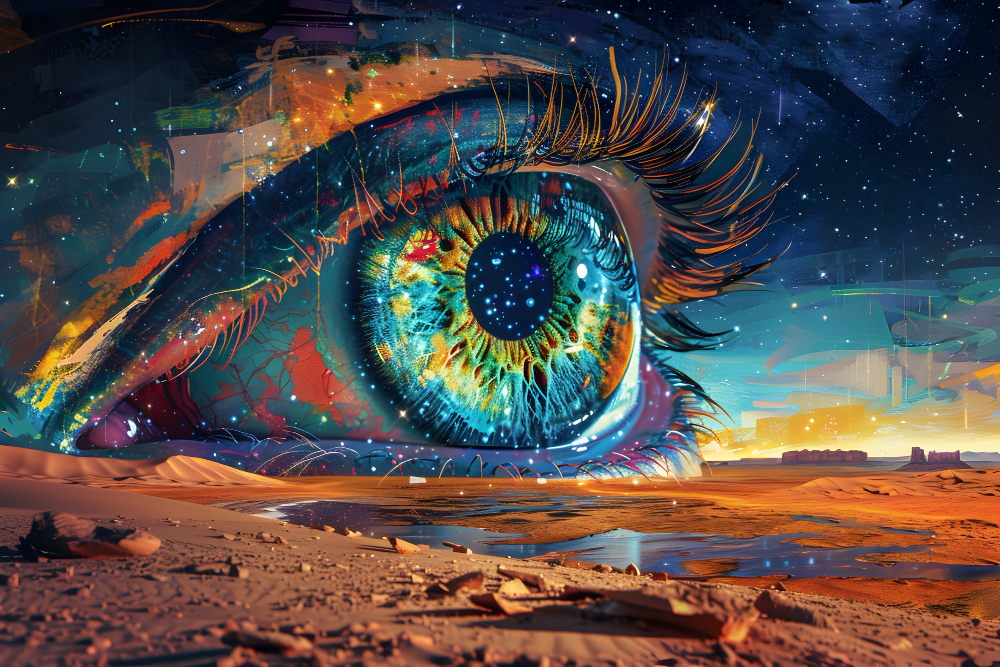
Metaphysical Foundations of Thought and Reality
The “Metaphysical Foundations of Thought and Reality” refers to the fundamental principles that underpin our understanding of existence (reality) and cognition (thought). This domain of philosophy seeks to answer core questions such as:
What is ultimately real?
How does the mind relate to reality?
Are there necessary structures or categories that shape both being and knowing?
Philosophers like Immanuel Kant, René Descartes, and Aristotle have explored these questions in different ways.
For instance, Kant argued that the human mind imposes certain a priori categories (like space, time, and causality) that structure our experience of the world. In contrast, metaphysical realists maintain that reality exists independently of our perception or thought.
This field bridges ontology (the study of being) and epistemology (the study of knowledge), suggesting that the way we think is grounded in—and perhaps constrained by—the nature of what exists. Understanding these foundations helps clarify the limits and scope of human knowledge, the nature of consciousness, and the relationship between mind and world.
Phenomenology of perception and Lived Experience
The Phenomenology of Perception is a philosophical approach that explores how we experience the world directly through our senses, emphasizing subjective, first-person experience. Pioneered by Edmund Husserl and later developed by Maurice Merleau-Ponty, this framework challenges abstract or detached views of consciousness by grounding thought in embodied experience.
Rather than treating perception as a passive reception of data, phenomenology sees it as an active, embodied engagement with the world. Merleau-Ponty, in particular, emphasized that we perceive not as disembodied minds but through our living bodies, which are always situated in a meaningful, social, and temporal context.
Lived experience refers to this direct, pre-reflective awareness — the way the world is given to us before analysis or interpretation. It captures the richness of how reality is felt, sensed, and acted upon in everyday life.
Together, phenomenology of perception and lived experience offer a deep insight into how consciousness is shaped not just by thought, but by being-in-the-world — embodied, situated, and engaged.
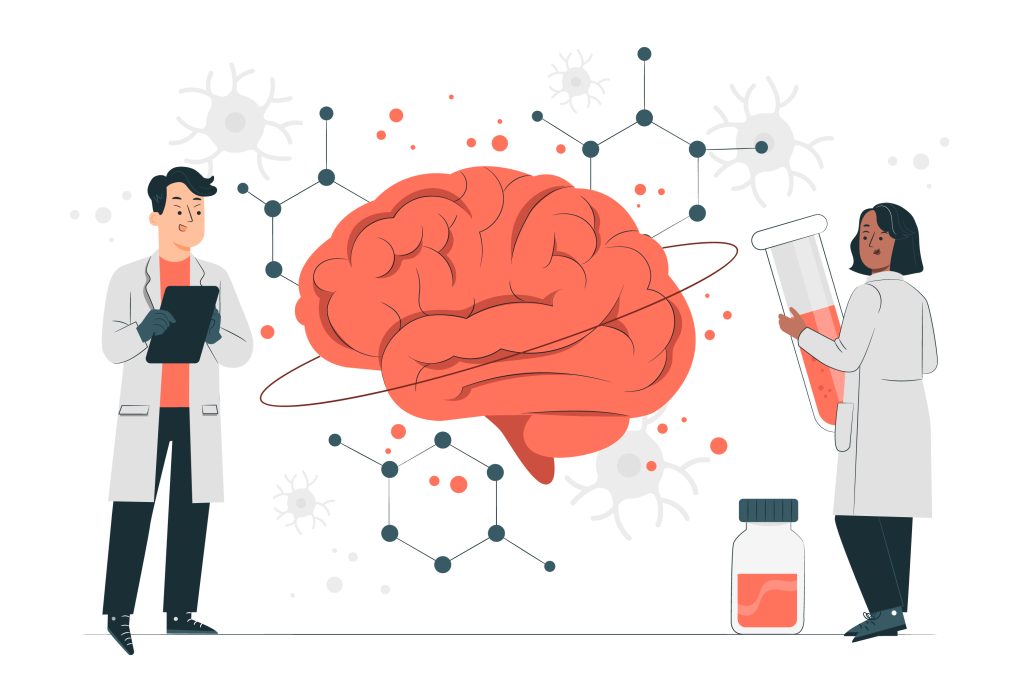
Consciousness and the Limits of Knowledge
The topic of Consciousness and the Limits of Knowledge explores how the nature of conscious experience both enables and constrains what we can know about reality. Consciousness—our subjective awareness of thoughts, sensations, and the world—is the primary medium through which knowledge is possible. Yet, it also raises deep philosophical challenges.
One key issue is the hard problem of consciousness: how and why do physical processes in the brain give rise to subjective experience? This unresolved question highlights the limits of scientific explanation when it comes to first-person awareness.
Moreover, our knowledge is always filtered through the lens of consciousness, which may impose cognitive, perceptual, and conceptual boundaries. We may never fully access an objective reality “in itself” because our understanding is shaped by our embodied minds, language, and frameworks of interpretation.
Philosophers such as Kant, Nagel, and Chalmers have all addressed these limits, suggesting that there may always be aspects of reality that are inaccessible or unknowable from within our conscious standpoint.
In essence, consciousness is both the light that reveals the world and the boundary beyond which some truths may forever remain hidden.

Epistemology of Perception - Illusions and Truth
The Epistemology of Perception examines how perceptual experiences contribute to knowledge and how we can trust—or doubt—what we see, hear, and sense. Central to this inquiry is the tension between appearance and reality: Can perception reliably lead us to truth, or is it prone to error?
Illusions—such as optical or auditory distortions—highlight the fallibility of perception. They reveal that what we perceive does not always correspond to what is objectively real. This raises epistemological questions: If perception can mislead us, how can it serve as a foundation for knowledge?
Despite these concerns, perception remains our primary interface with the world. Philosophers like Locke and Hume saw perception as the source of all empirical knowledge, while others, like Kant, argued that perception is structured by innate cognitive frameworks.
The study of illusions helps clarify the conditions under which perception is reliable, and how context, expectation, and interpretation shape our sensory experience. Thus, the epistemology of perception seeks to understand how truth can emerge from fallible perception, and how we can distinguish between valid insights and deceptive appearances.
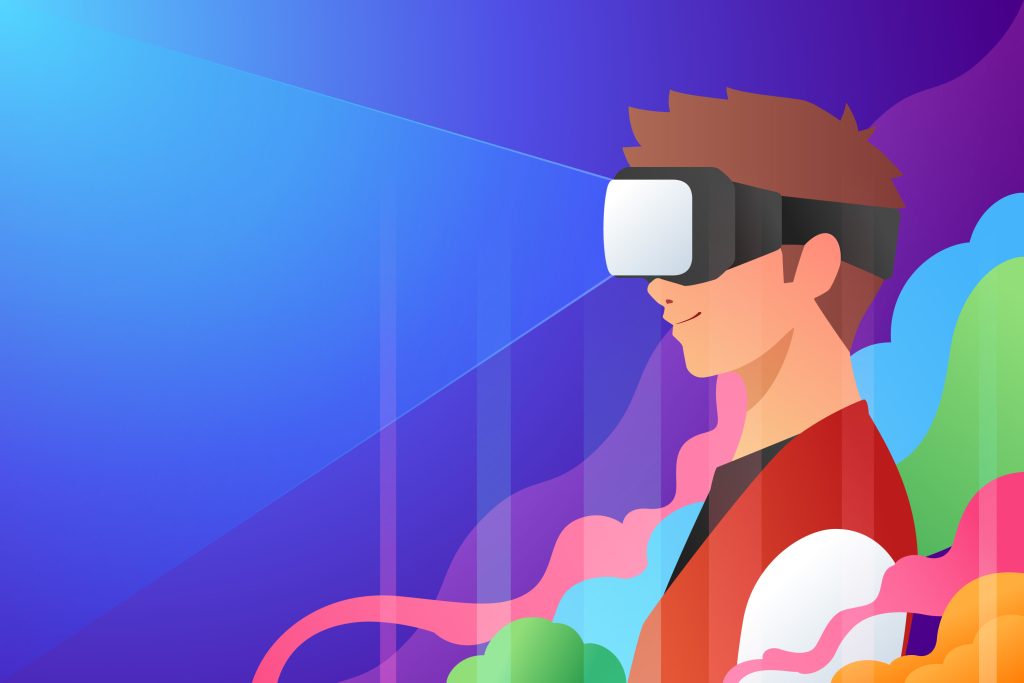
Virtual Reality, Hyperreality, and the Digital Mind
This topic explores how emerging digital environments—particularly Virtual Reality (VR) and Hyperreality—are reshaping human perception, experience, and consciousness in the digital age.
Virtual Reality refers to immersive, computer-generated environments that simulate real or imagined worlds. It challenges traditional boundaries between reality and representation by creating convincing, interactive experiences that engage the senses.
Hyperreality, a concept popularized by Jean Baudrillard, goes further: it describes a state in which simulations or media representations become more real than reality itself, blurring the line between the original and the copy. In hyperreality, people may relate more deeply to virtual symbols, images, or narratives than to the actual world.
The Digital Mind refers to a consciousness increasingly shaped by digital interfaces, algorithms, and online identities. As our cognitive and social lives are mediated through screens and virtual platforms, questions arise about authenticity, agency, and identity.
Together, these concepts raise critical philosophical issues: What is “real” in a world of digital simulations? How do immersive technologies alter our sense of self and truth? And how might the digital mind evolve in a post-physical, hyperconnected world?
Memory, Thought and Construction of Reality
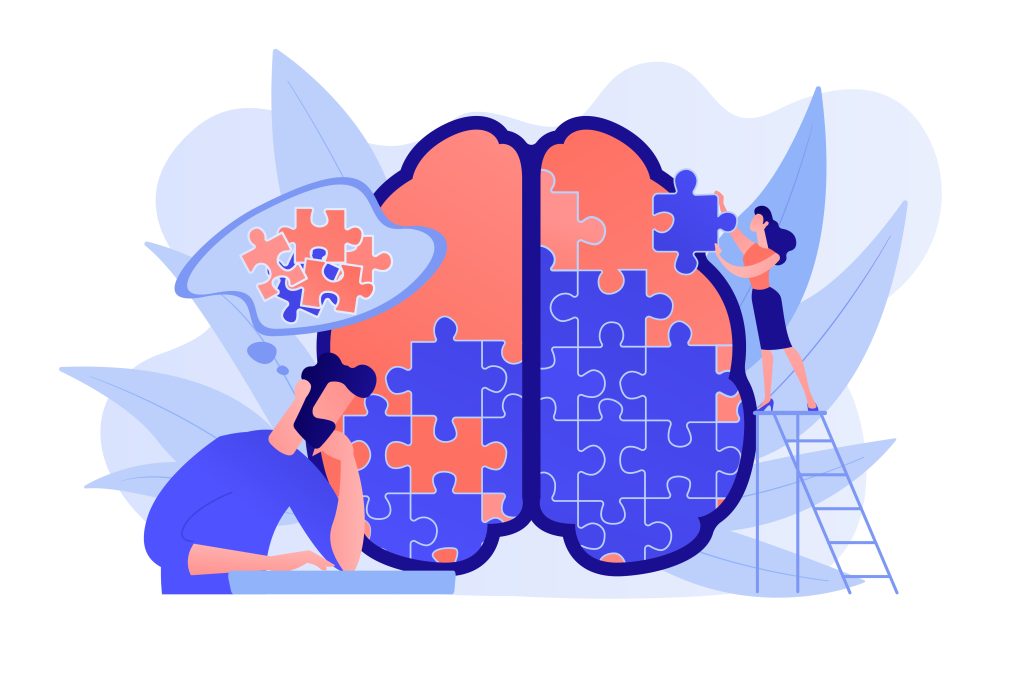
This topic explores how memory and thought work together to actively construct our sense of reality, rather than passively reflecting it. Far from being a perfect recording device, memory is selective, reconstructive, and shaped by meaning. Our past is recalled through the lens of present concerns, emotions, and narratives.
Thought, in turn, uses memory to interpret experience, make predictions, and form beliefs. Together, memory and thought create an ongoing internal model of the world, allowing us to navigate reality—but also making us vulnerable to distortions, biases, and false beliefs.
Modern cognitive science supports this view, showing that memory is dynamic and often re-edited over time, while philosophy (e.g., in the works of Bergson or Husserl) emphasizes how memory fuses past and present in conscious experience.
Ultimately, this interplay suggests that reality is not merely perceived but mentally constructed, and our sense of the world is deeply shaped by the stories we remember, the thoughts we think, and the meanings we assign.

Narrative Reality and Fiction as a Reflection of Thought
Narrative reality refers to the idea that human beings understand and construct reality through stories. Rather than perceiving the world as a series of raw facts, we organize experience into meaningful narratives that shape our identity, memory, and worldview.
Fiction, in this context, is not merely entertainment—it becomes a mirror of thought, revealing the structures of human imagination, values, and cognition. Through fictional stories, we explore possible worlds, ethical dilemmas, and the nature of consciousness itself.
Philosophers and cognitive scientists alike have noted that storytelling is a fundamental mode of human thought. It allows us to simulate experiences, empathize with others, and derive meaning from chaos.
As such, fiction reflects how the mind constructs and negotiates truth, often revealing deeper psychological or metaphysical insights than literal accounts can provide.
Ultimately, narrative and fiction show that reality is not just lived, but narrated, and that our understanding of the world is deeply tied to the stories we tell—both to others and to ourselves.
Neuroscience of Perception and Interpretation
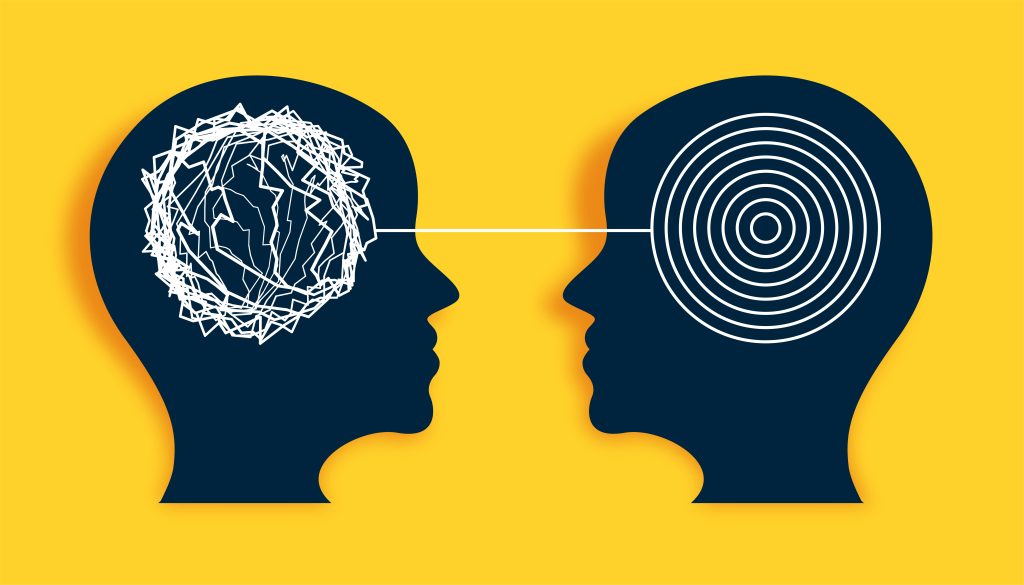
The Neuroscience of Perception and Interpretation investigates how the brain processes sensory input and transforms it into meaningful experience. Perception is not a passive recording of external reality—it is an active, interpretive process shaped by neural mechanisms, prior knowledge, and expectations.
When we perceive the world, our brain integrates signals from the senses (sight, sound, touch, etc.) with internal models and memories. This process occurs across multiple brain regions, particularly the visual and sensory cortices, and involves higher-level areas like the prefrontal cortex, which contributes to attention, judgment, and meaning-making.
Key discoveries in neuroscience show that perception is predictive: the brain constantly generates hypotheses about what it expects to sense and updates them based on incoming data—a process known as predictive coding. This explains why context and expectation can shape what we see or hear, and why illusions occur.
Interpretation, therefore, is not separate from perception—it is built into it. The neuroscience of perception reveals that our experience of reality is not a direct mirror of the world but a brain-constructed version, filtered through biological and cognitive frameworks.
For Queries Contact
Call
+91 97347 80602
jdhal@binstitute.org